

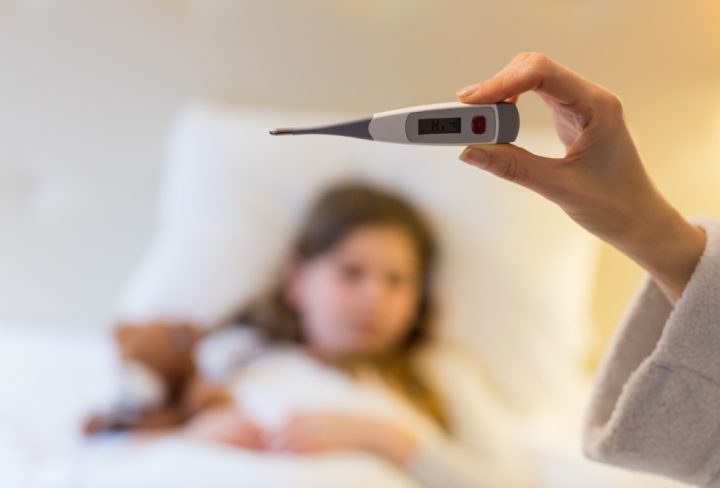
Febrile seizures are sudden fits that happen in young children when they have a fever. Identifying febrile seizures early can help parents stay calm and act quickly. These seizures can be scary, but most are not harmful. Still, knowing the signs and when to seek help is important for every parent. In this blog, we will explain what febrile seizures are, how to spot them, and what steps to take if your child has one.
What Are Febrile Seizures?
Febrile seizures are convulsions that happen in children between 6 months and 5 years old. They usually occur when a child’s body temperature rises quickly, often due to a viral or bacterial infection. According to the Centers for Disease Control and Prevention (CDC), about 2% to 5% of children in the US will have at least one febrile seizure. Most febrile seizures last less than five minutes and do not cause long-term problems. However, it is important to know what to look for and how to respond.
Common Signs and Symptoms
Recognizing febrile seizure symptoms can help you act fast. Here are some common signs:
Sometimes, children may be sleepy or confused after the seizure ends. Usually, these symptoms go away within a short time.
How to Identify Febrile Seizures at Home
At home, parents can watch for certain signs if their child has a fever. For example, if your child suddenly becomes stiff or starts shaking, it may be a febrile seizure. Additionally, if your child loses awareness or does not respond to your voice, this is a warning sign. Always check if your child has a high temperature. If you notice these symptoms, stay calm and keep your child safe. Place them on their side on a soft surface and remove any nearby objects. Do not put anything in their mouth. Most seizures stop on their own within a few minutes.
When to Seek Medical Help
While most febrile seizures are not dangerous, some situations need urgent care. You should call a doctor or seek emergency help if:
In the US, you can call 911 if you are worried or unsure. Quick action can help keep your child safe.
Diagnosis Process by Healthcare Professionals
Doctors use several steps to diagnose febrile seizures. First, they will ask about your child’s symptoms and medical history. Next, they may check your child’s temperature and look for signs of infection. Sometimes, doctors order tests like blood work or a urine test to find the cause of the fever. In rare cases, they may suggest a brain scan or a lumbar puncture to rule out other problems. Most of the time, no further treatment is needed after a simple febrile seizure. However, doctors will guide you on what to watch for at home.
Prevention and Safety Tips for Parents
Although you cannot always prevent febrile seizures, you can take steps to keep your child safe. Here are some tips:
Above all, remember that most children recover fully after a febrile seizure. For parents in any region, knowing these steps can make a big difference.
If you suspect your child is having a febrile seizure, consult a pediatrician for personalized advice. Early action and knowledge can help keep your child safe and healthy.