

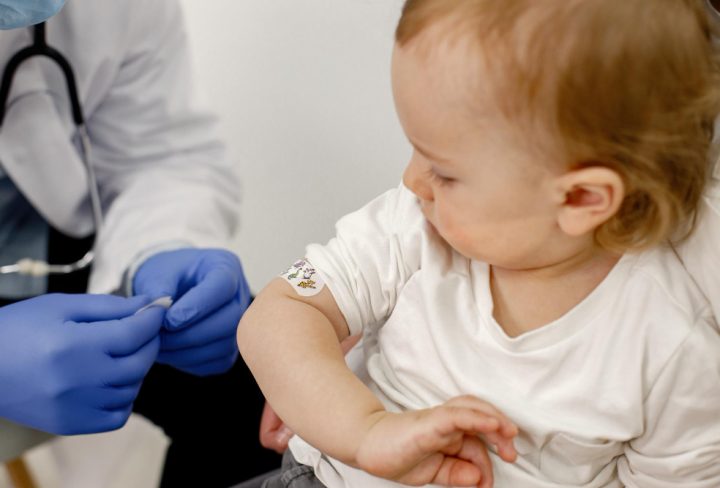
Vaccines protect your child from serious diseases. In the first year, essential vaccines help build strong immunity. Many parents wonder about the best way to keep their babies safe. That is why understanding the essential vaccines for your child in the first year is so important. Early protection can prevent many illnesses and keep your baby healthy.
What Are Essential Vaccines?
Essential vaccines are shots that protect babies from dangerous diseases. For example, these vaccines guard against illnesses like measles, polio, and whooping cough. Health experts, such as the CDC and WHO, recommend these vaccines for all infants. Because babies are more at risk, they need these vaccines early. Each vaccine targets a specific disease and helps your child’s body fight it off.
Why Are Vaccines Important in the First Year?
During the first year, a baby’s immune system is still growing. Therefore, vaccines help boost their natural defenses. Without these shots, babies can get very sick from infections. In addition, some diseases can cause long-term problems or even death. Vaccines also protect others by stopping the spread of illness. For these reasons, first year baby vaccines are vital for your child and your community.
Recommended Vaccine Schedule for Infants
Following the infant immunization schedule is key. The CDC provides a clear guide for parents in the United States. Below is a list of essential vaccines your baby should get in the first year:
Always check with your pediatrician for the latest infant immunization schedule. Some vaccines may have different timing based on your location or your child’s health.
Common Questions and Concerns About Infant Vaccines
Many parents have questions about why vaccinate babies. Here are answers to some common concerns:
If you have more questions, your pediatrician can provide trusted answers.
Tips for Parents: Preparing for Your Child’s Vaccinations
Getting ready for your child’s shots can make the visit easier. Here are some helpful tips:
With these steps, you can help your child feel safe and calm.
How to Keep Track of Your Child’s Vaccination Records
It is important to keep a record of all vaccines your child receives. For example, you can use a vaccine card or a digital app. Many clinics provide a printed record after each visit. In addition, you can ask your doctor for an updated list at any time. Keeping records helps you stay on schedule and ensures your child is fully protected.
In summary, following the recommended infant immunization schedule keeps your child safe from many diseases. For more information, visit trusted sources like the CDC or WHO. Consult your pediatrician to ensure your child receives all recommended vaccines on time.