

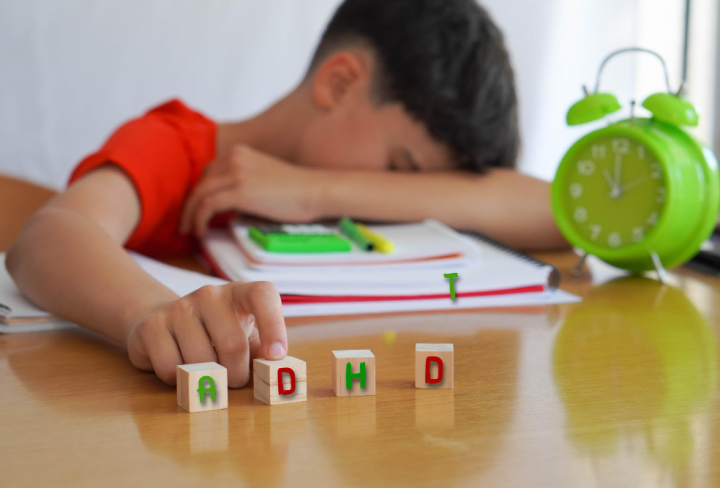
What is Attention Deficit Hyperactivity Disorder (ADHD)?
ADHD in children is a common brain condition. It affects how kids pay attention, sit still, and control their actions. Because of this, children with ADHD may have trouble at school or at home. According to the CDC, ADHD is one of the most studied childhood conditions. While it can affect anyone, boys are more often diagnosed than girls. Early support can help children manage their symptoms better.
Common Symptoms of ADHD in Children
Children with ADHD often show certain signs. However, not every child will have all symptoms. For example, some kids may be more active, while others may struggle to focus. Here are some common ADHD symptoms:
Sometimes, these behaviors can be normal. But if they happen often and cause problems, it may be ADHD.
Causes and Risk Factors of ADHD
Experts do not know the exact cause of childhood attention deficit hyperactivity disorder. Yet, research shows that several things may raise the risk. For instance, genetics play a big role. If a parent has ADHD, a child is more likely to have it too. Other possible causes or risk factors include:
Although parenting style does not cause ADHD, a supportive home can help children manage symptoms.
How ADHD is Diagnosed in Children
Doctors use several steps to diagnose ADHD in children. First, they ask about the child’s behavior at home and school. Next, they may use checklists or rating scales. Sometimes, teachers and caregivers also share their observations. In addition, doctors look for symptoms that last at least six months. They also check if these symptoms affect daily life. There is no single test for ADHD. Instead, doctors use a mix of tools and information to make a diagnosis. Early diagnosis can help children get the right support sooner.
Treatment Options for ADHD
Pediatric ADHD treatment often includes a mix of approaches. Because every child is different, doctors create a plan that fits each child’s needs. Common treatments include:
For many children, a combination of therapy and medicine works best. However, regular check-ins with the doctor are important to track progress.
Lifestyle Tips and Support for Families
Families play a big part in helping children with ADHD. With the right support, kids can do well at home and school. Here are some helpful tips for families:
Additionally, joining a support group can help families share ideas and learn from others. Many communities offer resources for parents of children with ADHD.
Prevention and Early Intervention
While you cannot always prevent ADHD in children, early steps can make a difference. For example, regular checkups during pregnancy and avoiding smoking or alcohol can lower risk. Early intervention, such as therapy or school support, can help children develop healthy habits. When families and teachers work together, children are more likely to succeed. If you notice signs of ADHD, talk to a doctor as soon as possible. Early help can lead to better outcomes for your child.