

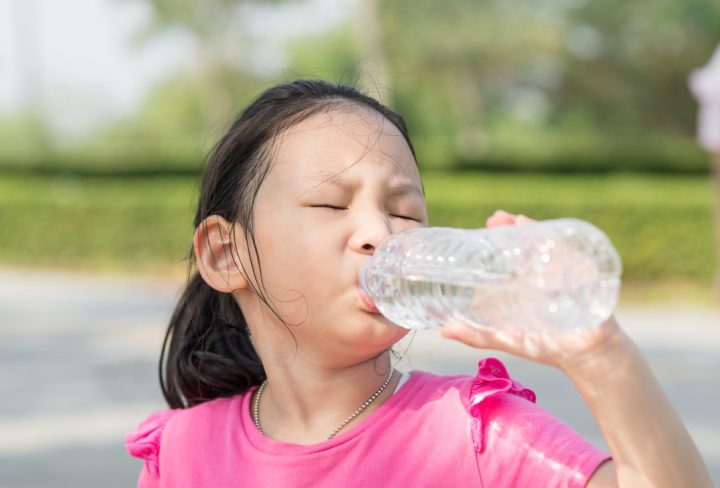
What is Dehydration in Children?
Dehydration in children happens when their bodies lose more fluids than they take in. This can occur quickly, especially in young kids. Because children have smaller bodies, they can become dehydrated faster than adults. For this reason, it is important to spot the signs of dehydration in kids early. Dehydration can be mild, moderate, or severe. In any case, quick action helps prevent serious health problems.
Common Symptoms of Dehydration in Children
Recognizing the symptoms of dehydration in children is key. Early signs may be easy to miss. However, knowing what to look for can help you act fast. Common symptoms include:
Sometimes, children may also have a fast heartbeat or breathe quickly. If you notice these signs of dehydration in kids, take action right away.
Causes of Dehydration in Children
There are several reasons why children may become dehydrated. Often, it is due to losing fluids too quickly or not drinking enough. Common causes include:
Because children may not always ask for water, parents should watch for these causes. According to the CDC, diarrhea and vomiting are leading causes of dehydration in children worldwide.
How Dehydration is Diagnosed in Children
Doctors use several methods to diagnose dehydration in children. First, they ask about recent illnesses, fluid intake, and symptoms. Next, they check for physical signs, such as dry mouth or sunken eyes. Sometimes, they may weigh the child to see if there has been sudden weight loss. In some cases, doctors order blood or urine tests. These tests help check for changes in salt and water levels. Quick diagnosis is important for proper treatment.
Treatment Options for Dehydration in Children
Treatment for child dehydration depends on how severe it is. For mild cases, drinking fluids at home often helps. Oral rehydration solutions (ORS) are best because they replace lost salts and sugars. You can buy ORS at most pharmacies. For moderate or severe dehydration, children may need medical care. Doctors may give fluids through an IV if the child cannot drink. According to the World Health Organization, early treatment lowers the risk of complications. Always follow your doctor’s advice.
Prevention Tips for Parents and Caregivers
Preventing dehydration in children is possible with a few simple steps. Because children can lose fluids quickly, it is important to stay alert. Here are some tips:
With these steps, you can help in preventing dehydration in children and keep them healthy.
When to Seek Medical Help
Sometimes, dehydration in children can become serious. Seek medical help right away if your child:
Early treatment can prevent serious problems. If you are unsure, it is always better to call your doctor.
If you suspect your child is dehydrated, consult a pediatrician for personalized guidance.