
Introduction
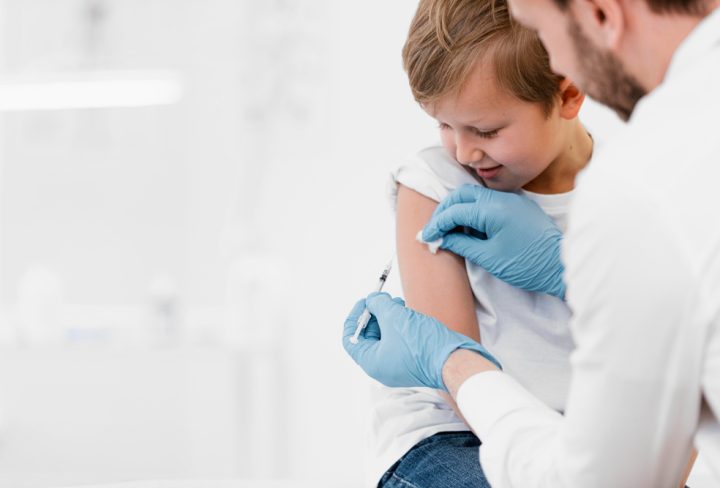
Essential vaccinations for children protect kids from serious diseases. These vaccines are given at certain ages to help children build strong immunity. In fact, following the childhood immunization schedule keeps your child safe and healthy. Parents and caregivers should know when children should get vaccinated and why it matters. This guide explains the timing and importance of essential vaccinations for children.
What Are Essential Vaccinations for Children?
Essential vaccinations are shots that protect children from dangerous illnesses. These vaccines are recommended by health experts like the CDC and WHO. For example, vaccines help prevent diseases such as measles, polio, and whooping cough. Without these shots, children are at risk of getting sick or spreading diseases to others. Most vaccines are given in a series, starting from birth and continuing through childhood.
Why Are Childhood Vaccinations Important?
Vaccines are important for many reasons. First, they protect your child from diseases that can cause serious health problems. Second, vaccines help stop the spread of illness in your community. When most children are vaccinated, it is harder for diseases to spread. This is called herd immunity. Also, vaccines can prevent outbreaks in schools and public places. In the United States, vaccines have made many deadly diseases rare or even gone.
Recommended Vaccination Schedule
Following the childhood immunization schedule is key for full protection. Health experts have set a timeline for when children should get vaccinated. Here is a simple guide to the recommended schedule:
Always check with your doctor for the latest vaccine schedule. Some children may need extra doses or catch-up shots.
Common Myths and Facts About Vaccines
Many parents hear myths about vaccines. However, it is important to know the facts. Here are some common myths and the truth behind them:
Tips for Parents: Keeping Up with Vaccination Schedules
Staying on track with your child’s vaccines is important. Here are some helpful tips:
By following these steps, you help protect your child and others.
Prevention and Community Health Benefits
Vaccines do more than protect one child. They help keep whole communities healthy. When most people are vaccinated, diseases cannot spread easily. This protects babies, older adults, and people with weak immune systems. Also, vaccines can stop outbreaks before they start. In many places, vaccines have wiped out diseases that once caused many deaths. Because of vaccines, children today can grow up healthier and safer.
Consult your pediatrician for personalized vaccination guidance for your child.