

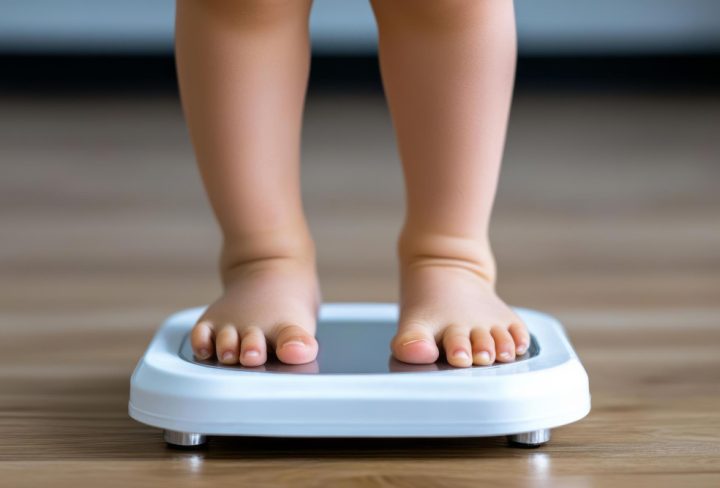
What Is Healthy Weight Gain in Children?
Healthy weight gain in children means a steady increase in weight that matches their age and height. For many parents, it can be hard to know what is normal. However, healthy weight gain in children is important for growth, learning, and energy. When children gain weight at the right pace, their bodies and minds develop well. Pediatricians use growth charts to track this progress. These charts help show if a child is growing as expected for their age.
Typical Growth Patterns by Age
Children grow at different rates. Yet, there are common patterns most children follow. For example, babies gain weight quickly in their first year. After that, growth slows down a bit. During school years, children grow steadily. Then, during puberty, growth speeds up again. Knowing these patterns helps parents spot any concerns early.
Still, every child is unique. Some may grow faster or slower than others. If you have concerns, it is best to talk with your child’s doctor.
Causes of Underweight in Children
Sometimes, children may not gain enough weight. There are many reasons this can happen. For instance, some children are naturally thin because of family traits. Others may not eat enough due to picky eating. In some cases, medical issues can affect weight gain. These may include food allergies, digestive problems, or chronic illnesses. Emotional stress or changes at home can also play a role. If your child is underweight, a pediatrician can help find the cause.
Recognizing Signs of Healthy Versus Unhealthy Weight Gain
It is important to know the difference between healthy and unhealthy weight gain. Healthy weight gain happens slowly and matches your child’s height and age. For example, your child may outgrow clothes each year. Unhealthy weight gain can happen too fast or in the wrong way. This may include gaining mostly body fat or having a sudden jump in weight. On the other hand, not gaining enough weight can mean a child is not getting enough nutrients.
If you notice any of these signs, it is wise to check with your child’s doctor.
How Pediatricians Assess Growth and Weight
Pediatricians use growth charts to track your child’s progress. These charts compare your child’s height and weight with other children of the same age and sex. In addition, doctors may check body mass index (BMI) to see if your child is in a healthy range. They also ask about eating habits, activity levels, and family history. If needed, they may order tests to rule out health problems. Regular check-ups help catch any issues early.
Evidence-Based Strategies for Healthy Weight Gain
Helping your child gain weight in a healthy way involves good nutrition and active living. According to the CDC and WHO, balanced meals are key. Here are some tips:
Moreover, keeping your child active helps build muscle and supports healthy growth. For example, playtime, sports, and outdoor activities are great choices. If you wonder how to help your child gain weight healthily, a registered dietitian can offer more guidance.
Lifestyle Guidance for Parents to Support Healthy Growth
Parents play a big role in supporting healthy growth. First, set regular meal and snack times. Next, avoid using food as a reward or punishment. Instead, focus on making healthy foods available at home. Encourage your child to try new foods, but do not force them. Also, make sure your child gets enough sleep, as rest is important for growth. In addition, limit screen time and encourage active play every day. If you have concerns, always reach out to your child’s healthcare provider.
Prevention of Unhealthy Weight Gain or Obesity
While helping your child gain weight, it is also important to prevent unhealthy weight gain. Offer balanced meals and avoid sugary drinks or snacks. Teach your child about healthy choices in a simple way. For example, show them how to read food labels or pick healthy snacks. Encourage family meals, as eating together supports good habits. Finally, regular check-ups with your child’s doctor help track growth and prevent obesity.