

Introduction
Malaria in children is a serious illness caused by a parasite spread by mosquitoes. Children are more at risk because their bodies are still growing. In many countries, malaria in children leads to sickness and sometimes even death. According to the World Health Organization (WHO), most malaria deaths happen in children under five. Early detection and proper care can save lives. This blog explains the symptoms, causes, diagnosis, treatment, and prevention of malaria in children. You will also find tips for home care and when to seek help.
Symptoms of Malaria in Children
Malaria can look different in children than in adults. However, some signs are common. Early recognition is important. Here are the main pediatric malaria symptoms:
Sometimes, symptoms can be mild at first. But, they may get worse quickly. If your child has a fever and lives in or has visited a malaria area, malaria could be the cause.
Causes and Transmission
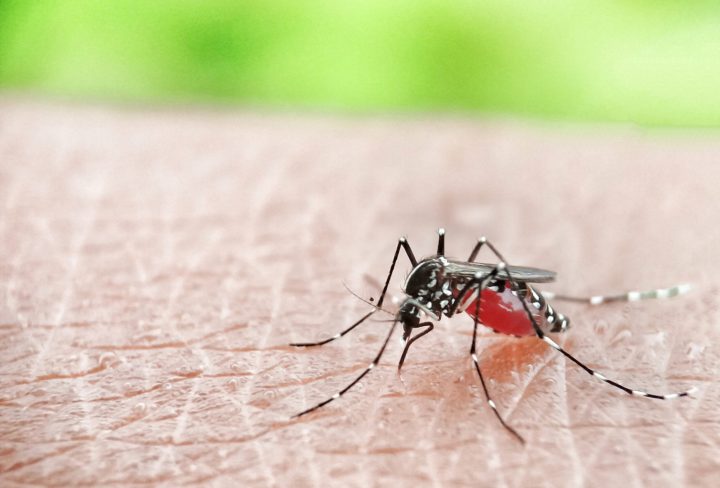
Malaria in children is caused by a parasite called Plasmodium. This parasite enters the body through the bite of an infected Anopheles mosquito. Not every mosquito carries malaria, but in some regions, the risk is high. After a bite, the parasite travels to the liver and then into the blood. Children can get malaria if they are bitten by these mosquitoes. Rarely, malaria can spread through blood transfusions or from mother to baby during birth. However, mosquito bites remain the main cause.
Diagnosis Methods
Early malaria diagnosis in children is key to fast treatment. Doctors use several methods to confirm malaria:
Both tests are safe for children. If your child has a fever and malaria is possible, see a doctor right away. Quick diagnosis helps prevent serious problems.
Treatment Options
Malaria treatment options depend on the type of parasite and how sick the child is. Doctors usually prescribe antimalarial medicines. Some common medicines include artemisinin-based combination therapies (ACTs). For severe cases, treatment may start in a hospital. Children may need fluids, fever control, and close monitoring. It is important to finish all medicines, even if your child feels better. This helps prevent the malaria from coming back. Never give your child medicine without a doctor’s advice.
Prevention Strategies
Malaria prevention for kids is very important, especially in high-risk areas. Here are some ways to protect your child:
Even with these steps, malaria can still happen. But, prevention lowers the risk a lot.
Lifestyle and Home Care Guidance
After malaria treatment, children need rest and care at home. Here are some tips:
With good home care, most children recover well. However, regular follow-up with your doctor is important.
When to Seek Medical Help
Sometimes, malaria in children can become severe very quickly. Seek medical help right away if your child:
Early treatment saves lives. Do not wait if you are worried about your child’s health.
Consult a pediatrician for personalized advice and early malaria diagnosis.