

Introduction
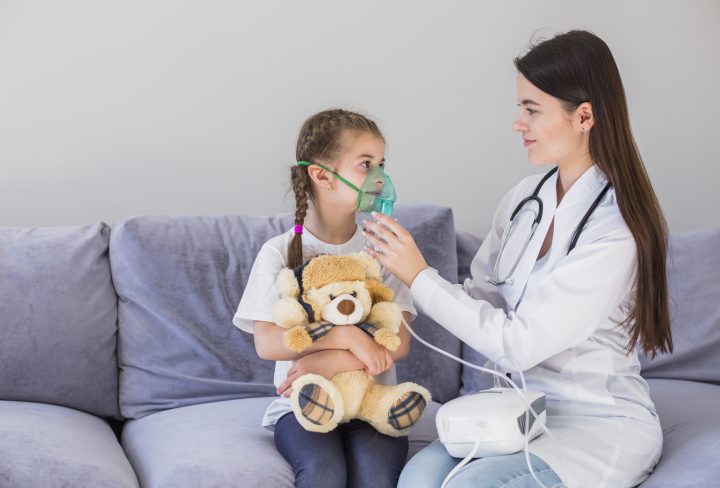
Pediatric acute asthma exacerbation is a sudden worsening of asthma symptoms in children. This condition can cause breathing problems and may need quick treatment. Because asthma attacks in children can be serious, it is important for parents to know the signs and what to do. According to the CDC, asthma is one of the most common long-term illnesses in children. Early action can help keep your child safe and healthy.
Symptoms
Recognizing acute asthma symptoms early can help prevent severe attacks. Symptoms can appear quickly or build up over hours. For example, your child may show these signs:
Sometimes, symptoms may get worse quickly. Therefore, always watch for changes in your child’s breathing.
Causes and Risk Factors
Many things can trigger a pediatric acute asthma exacerbation. While some triggers are common, others may be unique to your child. Common causes include:
Additionally, children with a family history of asthma or allergies have a higher risk. If your child has frequent asthma attacks, talk to your doctor about ways to lower these risks.
Diagnosis
Doctors use several methods to diagnose a pediatric acute asthma exacerbation. First, they will ask about your child’s symptoms and medical history. Next, they may listen to your child’s lungs with a stethoscope. Sometimes, doctors use tests such as:
Because symptoms can look like other illnesses, a clear diagnosis is important. Always share all symptoms and triggers with your child’s doctor.
Treatment Options
Treating a pediatric acute asthma exacerbation quickly can prevent serious problems. Doctors may use several treatments, such as:
In many cases, children respond well to these treatments. However, some may need to stay in the hospital for close monitoring. Always follow your doctor’s instructions for childhood asthma treatment.
Home Care and Lifestyle Guidance
After an asthma attack in children, home care is very important. For example, you can help your child by:
Moreover, teach your child how to recognize early symptoms. This can help prevent future attacks.
Prevention Tips
Preventing pediatric acute asthma exacerbation is possible with a few simple steps. Try these tips:
Because prevention is key, always stay alert to changes in your child’s health.
When to Seek Emergency Help
Sometimes, a pediatric acute asthma exacerbation can become life-threatening. Seek emergency help right away if your child:
In these cases, call emergency services or go to the nearest hospital. Quick action can save lives.
Conclusion
Pediatric acute asthma exacerbation can be scary, but early action and good care make a big difference. Always watch for symptoms, follow your child’s treatment plan, and avoid triggers when possible. For the best care, consult a pediatric specialist for personalized guidance.