

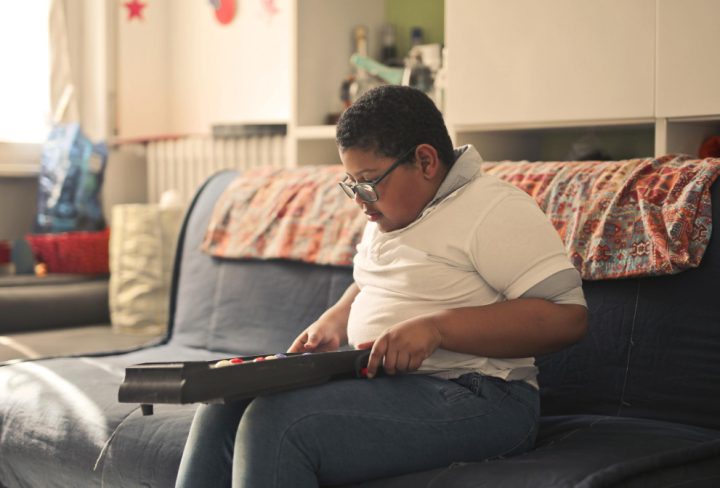
Childhood obesity is a growing concern in many countries, including the United States. It means a child has too much body fat for their age and height. This condition, also called pediatric obesity, can affect children’s health in many ways. Early signs of childhood obesity may include rapid weight gain or trouble keeping up with other kids. Because weight issues in kids can lead to health problems later, it is important to understand what causes them and how to help.
What is Childhood Obesity?
Childhood obesity happens when a child’s weight is much higher than what is healthy for their age and height. Doctors use a tool called Body Mass Index (BMI) to check this. BMI compares a child’s weight to their height. If a child’s BMI is above the 95th percentile for their age and sex, they are considered obese. This means their weight is higher than 95% of other children of the same age and sex. While some children naturally have more body fat, ongoing weight issues in kids can signal a problem.
How is Childhood Obesity Identified?
Doctors use several steps to find out if a child is obese. First, they measure the child’s height and weight. Then, they calculate the BMI. After that, they compare the BMI to standard charts for children. If the BMI is high, the doctor may ask about the child’s eating and activity habits. Sometimes, they check for health problems linked to obesity. Early identification helps prevent future health risks.
Common Causes of Childhood Obesity
Many factors can lead to childhood obesity. Often, it is a mix of habits, environment, and genetics. For example, eating high-calorie foods and sugary drinks can cause weight gain. Not getting enough physical activity also plays a big role. In some cases, family history or certain medical conditions can make a child more likely to gain weight. However, most cases are linked to daily habits.
Health Risks Associated with Childhood Obesity
Childhood obesity can lead to many health problems. For instance, children may develop type 2 diabetes, high blood pressure, or high cholesterol. Some kids may also have trouble breathing or develop joint pain. In addition, obesity can affect mental health, causing low self-esteem or sadness. Over time, these problems can continue into adulthood. Therefore, preventing obesity in children is very important for long-term health.
Prevention and Healthy Lifestyle Tips
Preventing childhood obesity starts with healthy habits for kids. Parents and caregivers can help by making small changes at home. For example, offer fruits and vegetables at every meal. Encourage children to play outside or join sports. Limit screen time and sugary drinks. Also, set a good example by making healthy choices yourself. Even small steps can make a big difference over time.
In summary, childhood obesity is a serious issue that affects many children’s health. However, with early action and healthy habits, families can help prevent weight issues in kids. If you are concerned about your child’s weight, consult a pediatrician for personalized advice.